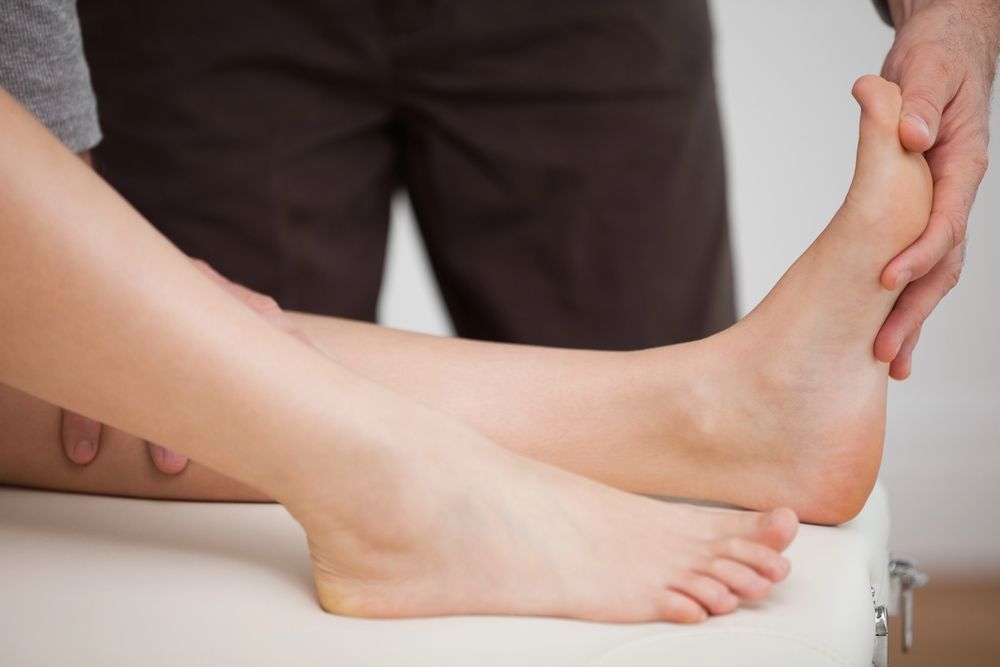
Is Numbness More Serious Than Burning Pain in Peripheral Neuropathy?
Burning pain is often the symptom that gets the most attention with peripheral neuropathy. It can feel sharp, urgent, and hard to ignore. Numbness can be different. It may come on slowly, feel less dramatic, and become something you try to work around.
In some cases, numbness can be more concerning than burning pain because it may mean your ability to feel pressure, temperature, texture, or foot position has changed. Pain is uncomfortable, but it is still a signal. Numbness can reduce the signals your body relies on to keep you balanced, protected, and confident while walking.
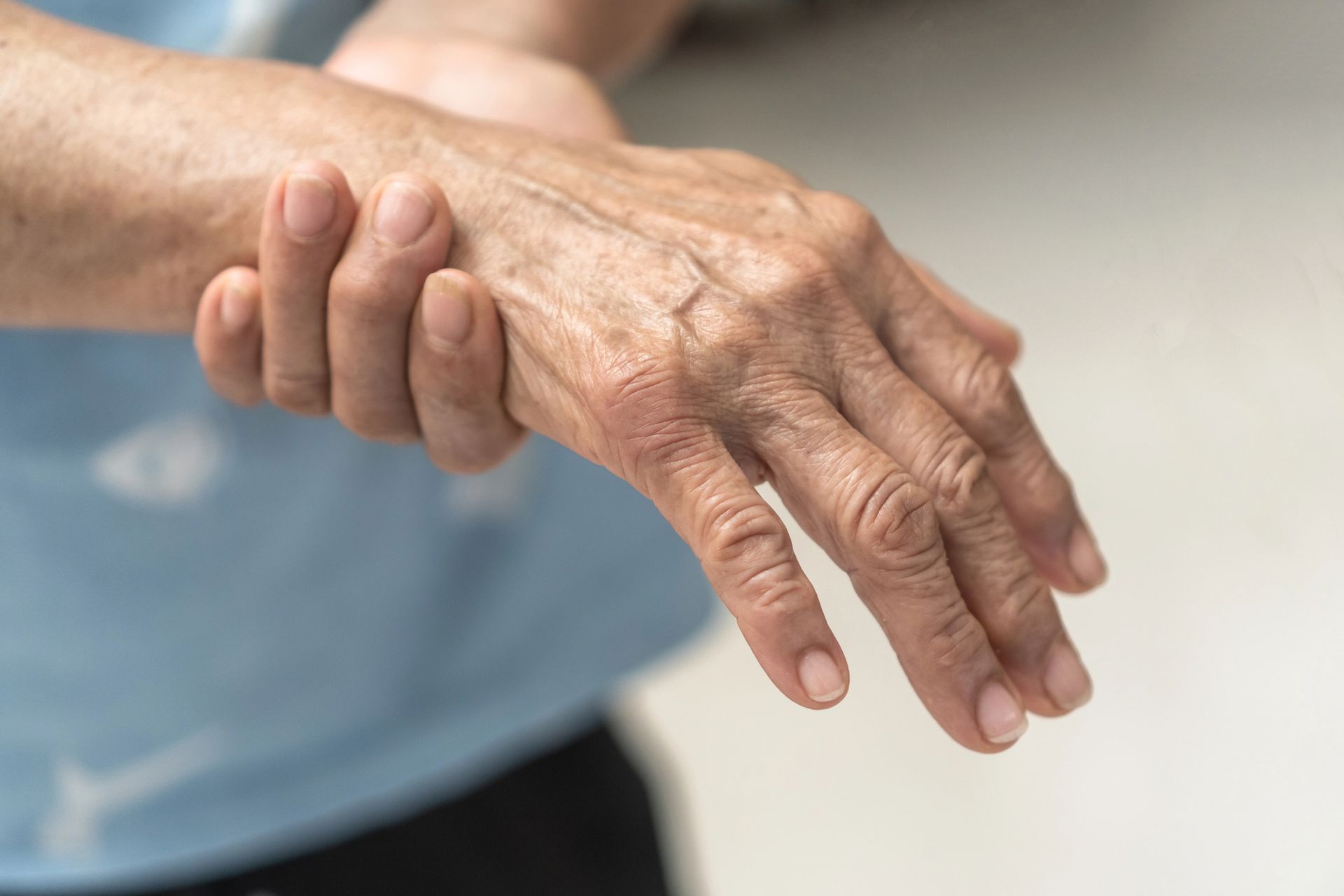
Pain Is Not the Only Warning Sign
Peripheral neuropathy affects the nerves outside the brain and spinal cord, often starting in the feet or hands. When those nerves become irritated or damaged, patients may notice burning, tingling, numbness, weakness, or changes in how clearly they can feel the ground, temperature, pressure, or touch.
Burning pain often pushes patients to seek help because it is difficult to ignore. Numbness can be easier to dismiss because it may not feel as intense. The problem is that reduced sensation can still affect how safely your body moves through the day. If your feet are not sending clear information to your brain, you may not notice where your weight is going, how firmly your foot is landing, or whether the floor surface has changed.
What Numbness Can Affect
Numbness in the feet can affect more than comfort. It can change how you walk, how steady you feel, and how confident you are on stairs, sidewalks, uneven ground, or in low-light settings. Patients with reduced sensation may start looking down more often while walking. They may avoid certain activities, hold onto railings, or feel less secure when turning quickly. Some people do not realize how much they have adapted until they think about what they no longer do.
Peripheral neuropathy has also been linked with fall risk. A 2024 study identified peripheral neuropathy as a risk factor for falls in older adults, and the Foundation for Peripheral Neuropathy notes that neuropathy can interfere with balance and increase fall risk. This does not mean every person with numbness will fall. It means numbness should not be treated as a minor symptom just because it is not painful.
Why Numbness Can Be Easy to Miss
One challenge with neuropathy is that symptoms may build gradually. A patient may first notice that socks feel strange, the floor feels less distinct, or their feet feel “wrapped” even when nothing is there. Over time, they may become less aware of small injuries, pressure spots, hot surfaces, or changes in footing.
This is especially important for patients with diabetes, circulation concerns, or other conditions that may affect foot health. When sensation is reduced, early warning signs such as pressure areas, skin irritation, cuts, blisters, temperature changes, or colour changes can be easier to miss.
A thorough assessment helps identify how nerve symptoms affect sensation, balance, walking confidence, sleep, and day-to-day function, rather than treating numbness as an isolated complaint.
When Symptoms Should Be Assessed
Numbness should be assessed when it is new, getting worse, spreading, affecting both feet, changing how you walk, or making you feel less steady. It is also worth discussing if you have burning pain and numbness together, because mixed symptoms can still point to changes in nerve function.
A clinician may ask when the symptoms started, whether they are constant or intermittent, what areas are affected, whether balance has changed, and whether there are underlying conditions that may be contributing.
Red Flags That Need Medical Attention
Some symptoms should be assessed promptly. Seek medical attention if numbness appears suddenly, affects one side of the body, comes with facial drooping, confusion, severe weakness, loss of bladder or bowel control, a new foot wound, signs of infection, or rapidly worsening walking difficulty. Those symptoms may point to something more urgent than typical peripheral neuropathy and should not be ignored.
Why Numbness Deserves a Closer Look
Burning pain may feel more alarming, but numbness can carry its own risks. When sensation decreases, your feet may stop giving your brain the information it needs for balance, walking confidence, and daily safety.
If numbness is becoming part of your everyday life, it is worth taking seriously. A proper
neuropathy assessment can help clarify what is happening, how it is affecting your function, and what steps may help you move with more confidence.