
Peripheral Neuropathy Treatment
Peripheral neuropathy can affect much more than how your feet or hands feel. Burning, tingling, numbness and nerve pain can make it harder to sleep, walk confidently and complete everyday activities. Reduced sensation can also make it difficult to notice changes in temperature, pressure or injuries.
At Neuropathy Relief Centres, treatment starts with a detailed assessment of your symptoms, health history and nerve function. We use these findings to determine whether our approach is appropriate for you and develop a treatment plan based on your individual needs.
Our goal is to help you better understand your symptoms, support your mobility and function, and work toward meaningful improvements in your daily life.
What Is Peripheral Neuropathy Treatment?
Peripheral neuropathy treatment focuses on addressing the underlying cause when possible, managing symptoms and supporting mobility, balance and everyday function. The right approach depends on what caused the nerve damage, which nerves are affected, how severe the symptoms are and how long they have been present.
Treatment can involve several parts. Some patients may require medical management of an underlying condition, such as diabetes or a vitamin deficiency. Other care may focus on symptom management, movement, foot safety, circulation, and supportive therapies.
There is no single treatment that is appropriate for every person with neuropathy. That is why we begin with an assessment rather than recommending the same program to everyone.
Symptoms We Assess
Peripheral neuropathy symptoms can vary considerably from one person to another. Some people experience significant pain, while others notice a gradual loss of feeling or confidence when walking.
We assess symptoms such as:
Burning sensations in the feet
Tingling or pins and needles
Numbness or reduced sensation
Sharp, stabbing or shooting nerve pain
Cold or unusually sensitive feet
Difficulty distinguishing between hot and cold
Increased sensitivity to touch
Poor balance or unsteady walking
Trouble sleeping because of nerve discomfort
Reduced confidence during everyday movement
These symptoms do not always mean that you have peripheral neuropathy. Circulation problems, spinal conditions, vitamin deficiencies, medication side effects and other health concerns can cause similar changes. An assessment helps us better understand what you are experiencing and whether neuropathy-focused care may be appropriate.
Seek prompt medical attention if you experience sudden weakness, rapidly worsening numbness, a new loss of bladder or bowel control, a non-healing foot wound, signs of infection or a sudden change in your ability to walk.
What Causes Peripheral Neuropathy?
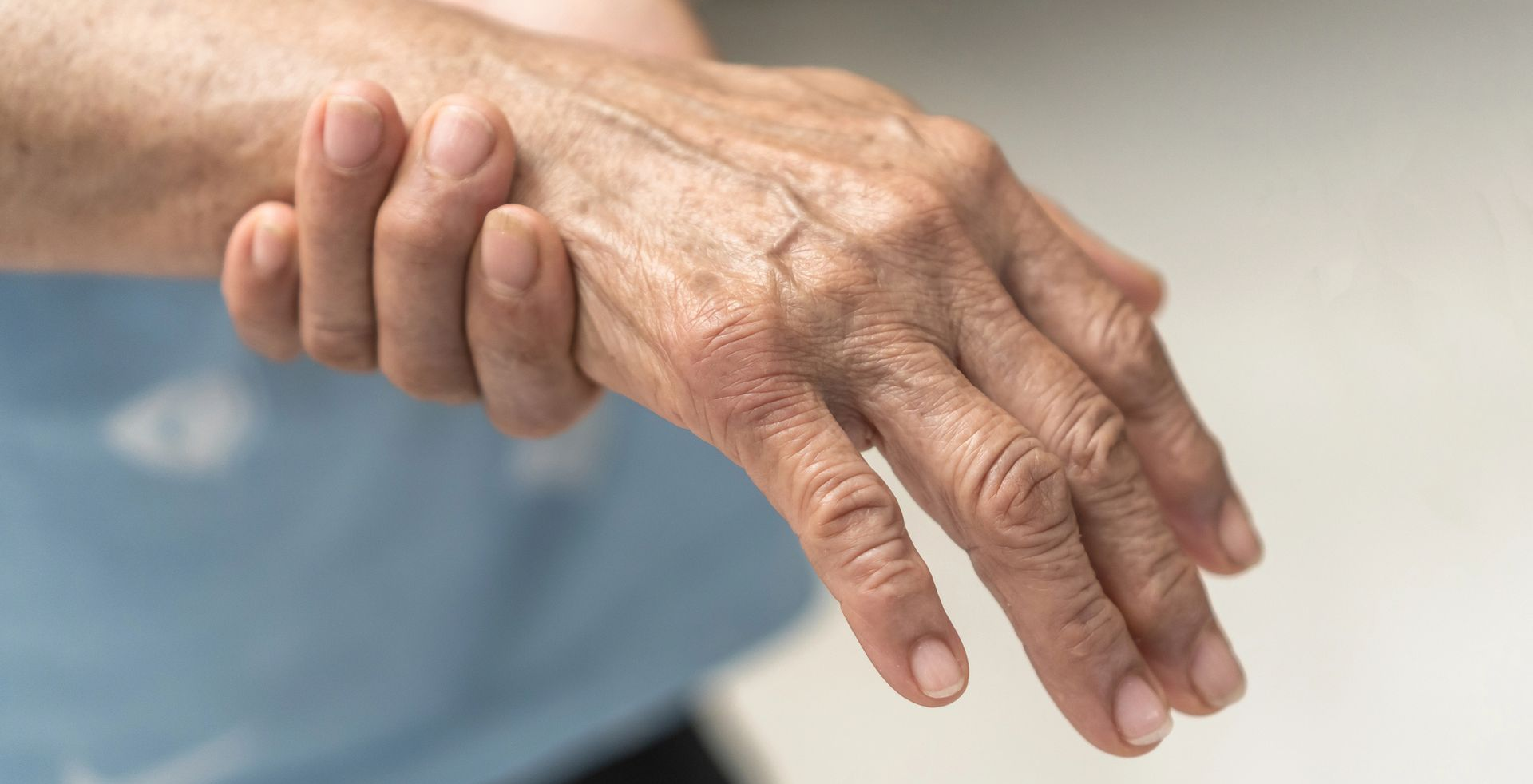
Peripheral neuropathy occurs when nerves outside the brain and spinal cord become damaged or stop communicating normally. The condition most often affects the feet and legs, although it can also affect the hands and arms.
Possible causes include:
Type 1 or Type 2 diabetes
Certain chemotherapy treatments
Vitamin deficiencies
Autoimmune conditions
Some medications
Alcohol-related nerve damage
Injuries or chronic spinal problems
Infections such as shingles
Genetic conditions
Sometimes, doctors cannot identify a clear cause. This is known as idiopathic peripheral neuropathy.
Understanding the possible cause matters because some underlying conditions require treatment from a family physician, neurologist, diabetes care provider or another healthcare professional. Our care supports your overall treatment plan, not medical care for the condition contributing to your neuropathy.
How We Assess Peripheral Neuropathy
Your first appointment helps us establish a clear starting point. We want to understand not only what your symptoms feel like, but also how they affect your balance, sleep, mobility, safety and day-to-day activities.
Your first appointment helps us establish a clear starting point. We want to understand not only what your symptoms feel like, but also how they affect your balance, sleep, mobility, safety and day-to-day activities.
Reviewing Your Symptoms and Health History
We begin by discussing:
When your symptoms started
Where you experience them
Whether they are constant or intermittent
What makes them feel better or worse
How they affect your walking, sleep and daily activities
Your current health conditions
Medications and supplements you take
Your history of diabetes, chemotherapy, surgery or injury
Previous nerve testing or medical diagnoses
Treatments you have already tried
Please bring a current list of your medications and supplements, along with any relevant test results or medical reports you have available.
Physical and Sensory Assessment
Your examination may include an evaluation of:
Sensation in the affected areas
Sensitivity to touch and temperature
Strength and coordination
Reflexes
Balance
Walking and functional movement
Areas of increased or reduced sensitivity
The purpose is to identify patterns, establish the severity of your symptoms and determine whether there are concerns that should be investigated by another healthcare provider.
Understanding Your Results
We will explain what we found in clear language and give you an opportunity to ask questions.
Depending on the results, we may discuss:
The extent of reduced sensation
How your symptoms may be affecting balance or safety
Whether our treatment approach may be suitable
What realistic treatment goals could look like
Whether additional medical assessment or testing may be advisable
How we can measure changes over time
If we do not believe our care is appropriate for you, we will tell you.

Our Approach to Peripheral Neuropathy Treatment
If you are a suitable candidate, we will recommend a personalized plan based on your assessment findings, health history and goals.
Treatment may combine patient education, non-invasive supportive therapies, movement guidance and practical steps that help you manage neuropathy more safely.
Understanding Your Condition
Knowing what is happening can make neuropathy feel less uncertain. We explain your assessment findings, the potential factors contributing to your symptoms and what changes you should monitor.
Education may include:
How neuropathy can affect sensation and movement
Why numbness can create safety concerns
How to protect areas with reduced sensation
Factors that may affect nerve health
How progress will be evaluated
When a change in symptoms requires medical attention
Non-Invasive Supportive Therapies
Where appropriate, treatment may include non-invasive light, infrared or other supportive therapies intended to promote circulation and support the health of affected tissues.
Before beginning, we will explain:
Which therapies are being recommended
What each therapy is intended to support
What happens during a treatment session
What you may feel during treatment
Any precautions relevant to your health history
You should tell us about all medical conditions and implanted devices, including pacemakers, insulin pumps or metal implants, before beginning treatment. This information helps us determine what precautions may be necessary and whether additional medical clearance is appropriate.
Movement, Balance and Functional Support
Neuropathy can make movement feel uncertain, particularly when sensation in the feet is reduced. Appropriate movement may help support strength, coordination, circulation and confidence.
Recommendations will depend on your current ability and may include:
Gentle mobility exercises
Balance work
Strengthening
Low-impact physical activity
Strategies for moving more safely at home
Guidance on activities that may place numb feet at risk
If you have significant numbness, weakness or balance problems, do not begin a new exercise program without discussing it with an appropriate healthcare professional.
Foot Care and Daily Habits
Reduced sensation can make it harder to notice pressure, heat, cuts or blisters. Small injuries may become more serious when they go undetected, especially for people with diabetes.
We may discuss practical steps such as:
Checking your feet regularly
Wearing supportive, properly fitted footwear
Avoiding walking barefoot
Testing water temperature carefully
Avoiding direct heat on numb areas
Maintaining safe physical activity
Reducing excessive alcohol consumption
Supporting healthy sleep habits
If diabetes is contributing to your neuropathy, continue following the blood sugar management plan provided by your medical team. Do not stop or change a prescribed medication without speaking with the provider who prescribed it.
Your Personalized Treatment Plan
Neuropathy affects everyone differently. Your recommended plan will depend on factors such as:
- The possible cause of your neuropathy
- The severity of your symptoms
- How long the symptoms have been present
- The areas of your body affected
- Your current level of sensation
- Balance or mobility concerns
- Other medical conditions
- Treatments you have already tried
- How your body responds to care
- The activities you want to return to or perform more comfortably
Before you begin, we will explain the recommended treatment schedule, appointment frequency, expected costs, and how we will review your progress.
No treatment can guarantee a particular result. The potential for improvement varies depending on the cause and extent of nerve damage, overall health, and other individual factors.
What Happens During a Treatment Appointment?
Your appointment will be based on the plan recommended after your assessment, but a typical visit may involve:
01
Reviewing any changes in your symptoms since your previous visit
02
Discussing new health concerns, medications or medical advice
03
Positioning you comfortably for the recommended therapy
04
Providing the treatment included in your care plan
05
Reviewing relevant movement or foot-care recommendations
06
Documenting your response and any changes that should be monitored
Treatment appointments generally take approximately 25 to 45 minutes, depending on your individual plan.
How We Measure Progress
We don't measure neuropathy progress only by asking whether the pain has disappeared. Pain, numbness, balance and sensitivity can change in different ways and at different rates.
Depending on your starting symptoms, we may monitor:
Changes in burning, tingling or nerve discomfort
Changes in sensitivity
Awareness of the feet and contact with the ground
Balance and walking confidence
Sleep interruptions
Ability to complete everyday activities
Physical or sensory assessment findings
Whether symptoms are becoming more or less disruptive
Follow-up assessments allow us to compare your results with the baseline established at your first visit. They also help us determine whether the plan should continue, change or be reconsidered.
How Long Does Neuropathy Treatment Take?
There is no universal timeline for peripheral neuropathy treatment.
The recommended frequency and duration of care depend on:
What caused the nerve damage
How long you have had symptoms
The severity of the neuropathy
Your general health
Your consistency with treatment
Whether the underlying cause is being managed
How you respond to care

Some people may notice changes sooner than others, while people with severe or long-standing nerve damage may have more limited improvement. We will discuss realistic expectations based on your assessment rather than promising results within a set number of visits.
Who May Not Be a Suitable Candidate?
Our treatment approach is not appropriate for every person or every cause of neuropathy.
We may recommend that you speak with a physician or another healthcare provider first if you have:
Sudden or rapidly worsening symptoms
Significant unexplained weakness
A new or non-healing foot wound
Signs of infection
A sudden change in balance or walking
Symptoms that require additional diagnostic testing
A medical condition outside our scope of care
A device or health concern that requires medical clearance
An assessment does not automatically mean we will recommend treatment. Our first responsibility is to determine whether our approach is suitable and whether another type of care is needed.
Peripheral Neuropathy Treatment in Calgary and Saskatoon
Neuropathy Relief Centres provide assessments and personalized care at our Calgary and Saskatoon locations.
Calgary Neuropathy Treatment
Our Calgary clinic has been helping people with peripheral neuropathy symptoms since 2011. The clinic is located in Southwest Calgary near the Glenmore Reservoir and is accessible from 14 Street, Southland Drive, Anderson Road and Stoney Trail/Tsuut’ina Trail.
CALL US
403-452-4800
EMAIL US
VISIT US
151, 2515 – 90 Avenue SW
Calgary, AB T2V 0L8
Our Calgary office is in the Southwest quadrant of the city, just south of the Glenmore Reservoir at the corner of 90 Avenue and 24 Street.
There is easy access to us from 14 Street either using 90 Avenue, Southland Drive, and Anderson Road which all lead to 24 Street. You can also reach us by heading east on 90th Ave from Stoney Trail (Tsuut'ina Trail) SW.
Saskatoon Neuropathy Treatment
Our Saskatoon clinic provides neuropathy assessments and personalized treatment plans for people experiencing burning, tingling, numbness, nerve discomfort and related symptoms.
CALL US
EMAIL US
VISIT US
1269 - 8 Street E
Saskatoon, SK S7H 0S5
Our Saskatoon Office is located at 1269 8th St East. Corner of 8th and Wiggins.
Immediately west of the Colonial Hotel and Canadian Tire Gas Bar.
Frequently Asked Questions About Neuropathy Treatment
Can peripheral neuropathy be cured?
It depends on the underlying cause and extent of the nerve damage. Some causes can be treated or corrected, while other forms of neuropathy are managed by addressing the underlying condition, reducing symptoms and supporting function. An assessment can help establish the severity of your symptoms and identify appropriate next steps, but it cannot guarantee that nerve damage can be reversed.
Can neuropathy improve if I have had symptoms for years?
Long-standing neuropathy can be more complex, but the duration of your symptoms is only one factor. The cause, severity, overall health and amount of remaining nerve function can all affect what improvement may be possible. An assessment gives us a clearer baseline from which to discuss realistic goals.
Do I need a referral?
You can contact Neuropathy Relief Centres directly to ask about scheduling an assessment. However, we may recommend that you consult your family physician or another healthcare provider if your symptoms require medical investigation or additional testing.
Is neuropathy treatment painful?
The non-invasive therapies used at our clinics are intended to be comfortable. What you feel will depend on the therapy and your level of sensitivity. We will explain each part of your care before treatment begins and encourage you to tell us immediately if anything feels uncomfortable.
Can I receive treatment if I have diabetes?
People with diabetes may be assessed for neuropathy-focused care. However, our services do not replace diabetes management. Continue working with your medical team to manage your blood sugar, medication and other aspects of your condition.
Can I continue taking my medication?
Do not stop or change prescribed medication unless the healthcare provider who prescribed it instructs you to do so. Bring a current list of medications and supplements to your assessment so we can consider them when reviewing your health history.
How many treatment sessions will I need?
The number and frequency of appointments depend on your assessment results, symptom severity and response to care. We will explain the recommended schedule and costs before you decide whether to proceed.
Is neuropathy treatment covered by insurance?
Coverage varies according to the services provided and your individual insurance policy. Contact your insurance provider directly to confirm what's covered. Our team can explain the documentation available for the care you receive.
Book a Peripheral Neuropathy Assessment
Don't ignore burning, tingling, numbness, or balance changes, especially if they're worsening or affecting your safety.
A neuropathy assessment can help establish a baseline, identify areas of concern and determine whether our treatment approach may be appropriate for you. If we believe you should seek another type of care, we will explain why.
Contact your nearest Neuropathy Relief Centre to take the next step.