6 Signs It’s Time to Seek Peripheral Neuropathy Treatment
Peripheral neuropathy usually begins with subtle changes you might ignore. A slight tingling in your toes. A patch of numbness in your fingertips. A burning sensation that fades by morning.
Many people delay care until discomfort disrupts sleep, balance, or daily routines. By then, symptoms become more intense and harder to manage. From early warning signs to changes in balance and the impact of delayed care, the pattern often reveals itself long before a diagnosis.
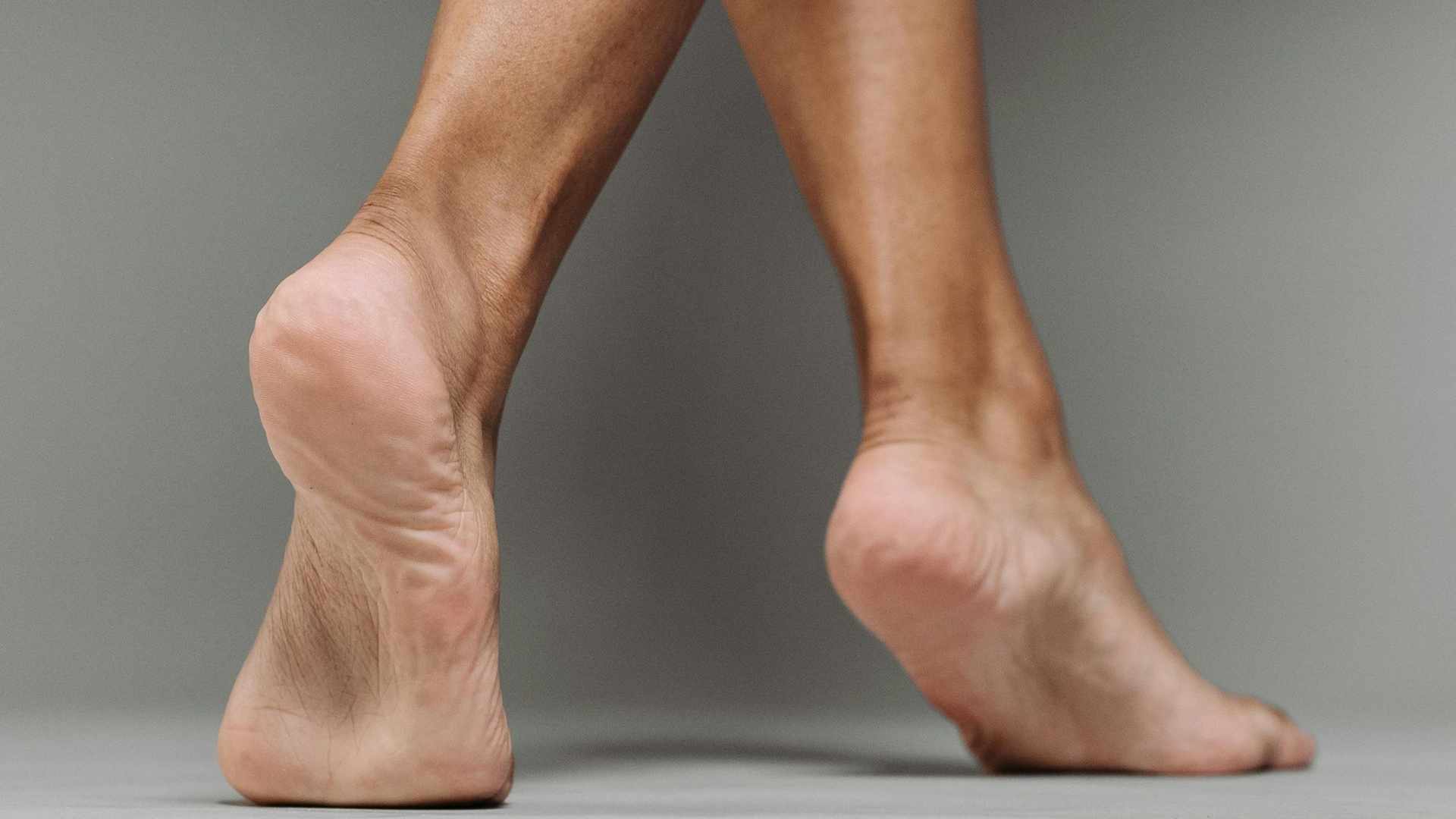
Early Symptoms People Often Ignore
Neuropathy rarely announces itself with sudden, severe pain. Here are a few telltale signs:
- Tingling or “pins and needles” sensations often appear first: You might notice them after sitting for a while or at the end of a long day. At first, they seem temporary.
- Numbness in the feet or hands can follow: You may experience reduced sensation when walking barefoot or when holding small objects. Some people describe it as wearing an invisible glove or sock.
- Mild burning or subtle changes in sensitivity also occur in the early stages: Sheets may feel uncomfortable against your feet. Warm water may register differently than it used to.
Initially, these symptoms often come and go. That inconsistency makes them easy to dismiss. Yet recurring nerve sensations signal that communication between your nerves and brain has shifted. Paying attention early gives you more room to respond effectively.
Progressing Symptoms That Signal a Bigger Issue
As neuropathy advances, symptoms become more consistent and more disruptive.
- Persistent numbness or pain replaces occasional tingling: The discomfort may intensify at night or linger throughout the day. Walking may feel awkward or unstable.
- Balance problems typically develop as sensory function declines: Without clear feedback from your feet, your body struggles to adjust quickly to uneven surfaces. Frequent tripping or unsteadiness can follow.
- Muscle weakness or coordination issues may also appear: Tasks that once felt automatic begin to require more focus. Fine motor skills in the hands can change. Climbing stairs or standing from a seated position may be more difficult.
In some cases, symptoms spread. What begins in the toes may extend proximally toward the ankles or distally into the hands. Increasing intensity or expansion warrants prompt evaluation. At this stage, nerves require structured support to prevent further decline.
Why Early Peripheral Neuropathy Treatment Matters
Nerve damage often progresses when left unaddressed. Conditions such as diabetes, circulatory issues, or nutritional deficiencies frequently affect nerve health. A thorough evaluation helps uncover these drivers. Addressing them early can protect remaining nerve function.
Timely intervention also supports better outcomes. When nerves retain partial function, treatment can focus on improving communication, reducing inflammation, and encouraging healing. Waiting until symptoms become severe limits available options.
When to Seek Professional Evaluation
Recurrent tingling, numbness, or burning sensations indicate more than temporary irritation.
Pain or numbness that interferes with daily activities also warrants evaluation. Difficulty
sleeping, walking, or completing routine tasks affects health and quality of life.
Loss of sensation raises safety concerns. Reduced awareness of the feet increases the risk of unnoticed injuries. Balance challenges increase fall risk.
Take the First Step Toward Relief
Neuropathy rarely resolves on its own. Subtle signs often lead to larger disruptions when left unchecked. Recognizing early symptoms allows you to respond before nerve damage advances.
At Neuropathy Relief Centres, peripheral neuropathy treatment begins with a detailed evaluation of your symptoms, history, and contributing factors. A personalized plan can help restore function, reduce discomfort, and support your path forward. If you notice ongoing nerve-related changes, consider scheduling an assessment to protect your mobility and well-being.