What to Bring to Your First Neuropathy Appointment: A Practical Checklist
If you are preparing for your first neuropathy appointment, you do not need to arrive with every detail perfectly organized. However, bringing a few pieces of information can help us better understand your symptoms and health history.
At Neuropathy Relief Centres, our initial assessment looks beyond where you feel pain or numbness. We may review your symptoms, medical history, medications, previous testing, and other factors to provide context for what we find during the examination. Here is what can be helpful to bring with you.
1. A Timeline of Your Symptoms
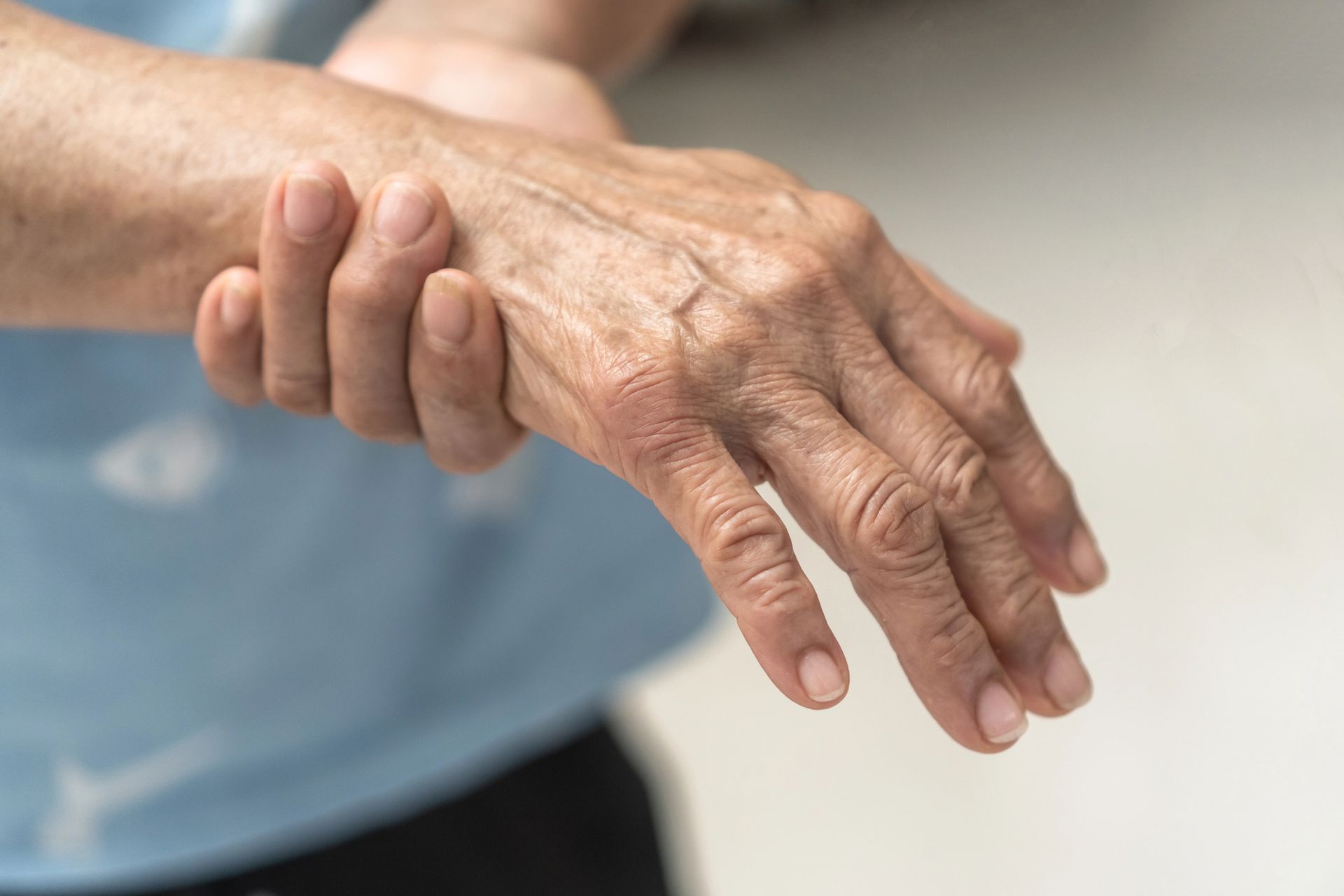
Before your appointment, think about when your symptoms first started and how they have changed.
Helpful details include:
- When you first noticed burning, tingling, numbness or pain
- Whether symptoms are getting better, worse or staying the same
- Where the symptoms started and whether they have spread
- Whether they are worse at night
- Any balance or walking changes
- What seems to make the symptoms better or worse
Even approximate dates can be useful. If you are experiencing different types of symptoms, our guide to numbness versus burning pain in peripheral neuropathy explains why both can provide important information.
2. Your Medications and Supplements
Bring a current list of your prescription medications, over-the-counter medications and supplements. You do not necessarily need to bring every bottle. A written or digital list that includes the medication name and dosage is usually much easier to review. Medication history matters because neuropathy symptoms can have many possible contributing factors, and certain medications may be relevant to your overall health history.
3. Previous Test Results
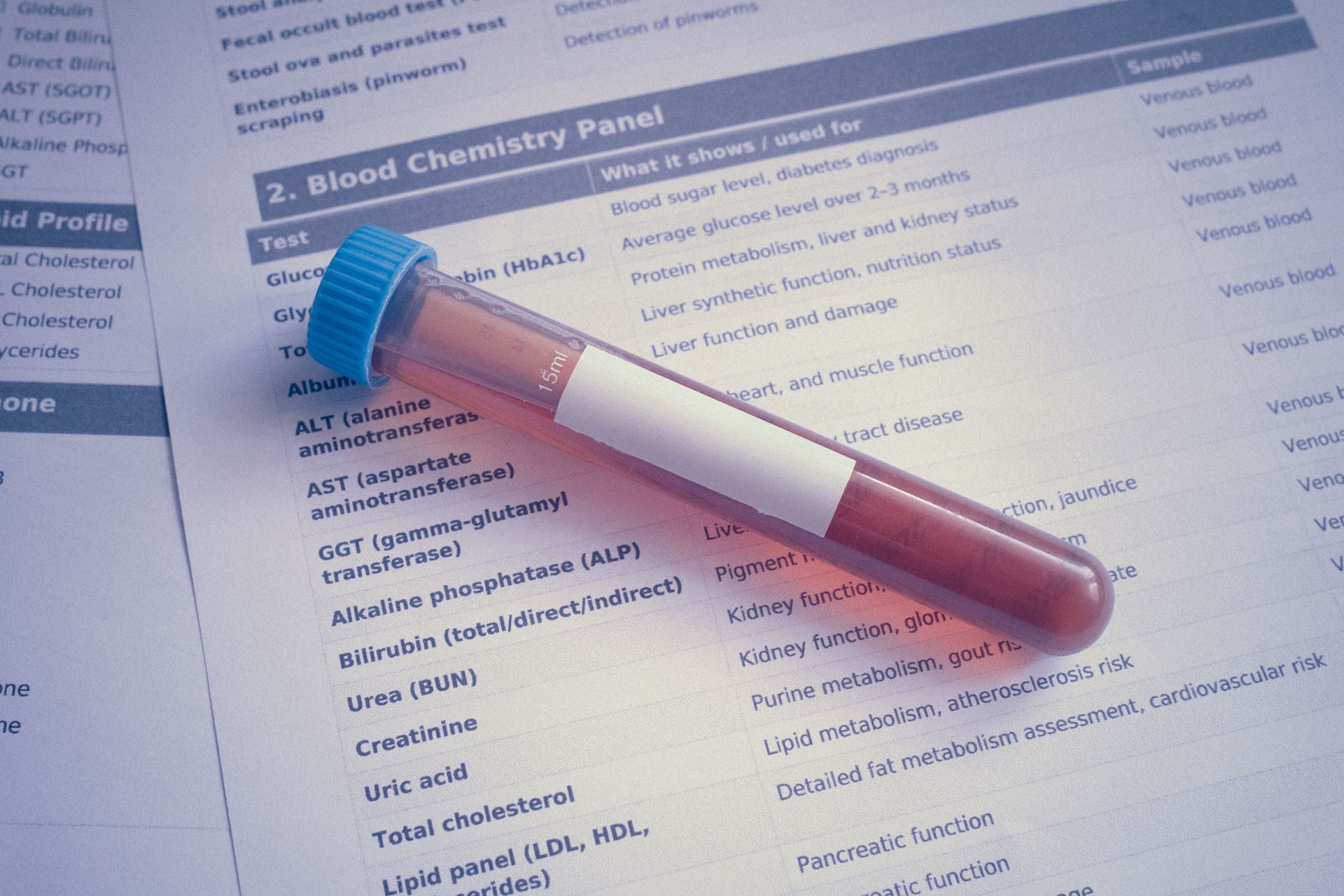
If you have already had nerve testing, imaging, bloodwork or other investigations related to your symptoms, bring any results you have available. This could include previous nerve conduction studies, specialist reports or other relevant medical records. You do not need to repeat testing simply to bring something with you. Existing results can only provide additional context as we assess how your symptoms are presenting now.
4. Relevant Medical History
During your assessment, we may ask about conditions or events that could be relevant to your nerve health.
This can include:
- Type 1 or Type 2 diabetes
- Blood sugar history
- Previous injuries
- Surgeries
- Chemotherapy
- Back problems
- Other medical diagnoses
You may also want to make a short note of approximately when these occurred so you do not have to remember everything during the appointment. We explain why these details matter in our article on why neuropathy treatment plans should be based on your symptoms, severity and history.
5. Comfortable Footwear and Clothing
Neuropathy often affects the feet and lower legs, so wear clothing and footwear that make it reasonably easy for us to assess those areas. Comfortable shoes that are easy to remove can make the examination simpler. If you normally use orthotics, a cane, a walking aid, or another device because of your symptoms, bring them as well. It can give us a more complete picture of how your symptoms affect everyday movement.
6. Questions You Want to Ask
It is easy to forget questions once an appointment starts, so writing them down beforehand can help.
You may want to ask:
- What do my symptoms suggest?
- How severe do my symptoms appear?
- What are you assessing during the examination?
- Could my health history be contributing?
- What do my test results mean?
- What are the next steps after the assessment?
Our goal is for you to understand what we find, not simply leave with a list of recommendations.
What Will We Review During Your Neuropathy Assessment?
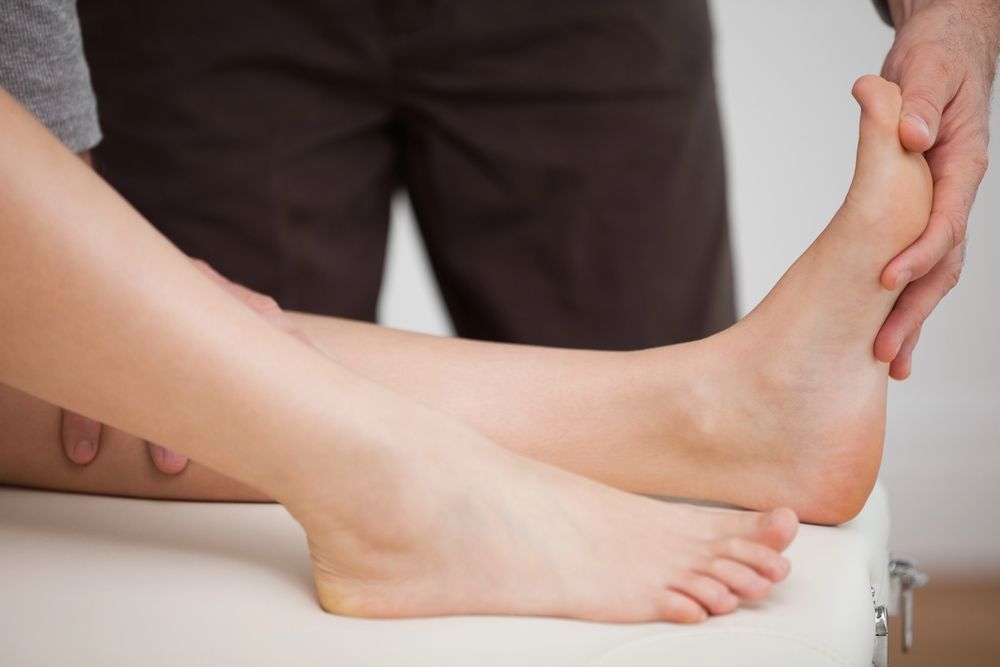
During an initial neuropathy assessment, we may review your medical history, symptom patterns, medications, and prior testing. The physical examination may also assess sensation, reflexes, balance, strength, and how your hands or feet respond to different forms of stimulation. The purpose is to better understand how your symptoms are presenting and how significant the nerve-related changes may be. You can learn more about what neuropathy assessment results can tell you about your nerve health.
You Do Not Need to Have Everything Figured Out Before You Arrive
The most useful thing you can bring to your first appointment is an accurate picture of what you have been experiencing. If you forget a date, medication name, or previous test result, that does not mean the appointment cannot proceed. The checklist simply helps us gather as much useful information as possible so we can understand your symptoms in context.
At Neuropathy Relief Centres, we begin with an assessment because neuropathy can look very different from one person to another. Understanding your symptoms, history and examination findings gives us a better starting point for discussing what may be appropriate next.